The Interplay of Social Anxiety and Alcohol Use: From a Therapist with Lived Experience
We often associate drinking problems with dramatic rock bottoms—blackouts, aggression, or lives falling apart. But addiction doesn't always look like a crisis. Sometimes, it's just the quiet transition from a relaxing glass of wine on a weeknight to an entire bottle every single evening.
It's using alcohol to soften the sharp edges of social anxiety, or drinking to fit in because the fear of being judged for not drinking feels overwhelming. Active addiction distorts our logic, convincing us to drink more just to hide how much we're struggling.
In my practice as a licensed addictions therapist, I hear this story frequently. It comes from high-functioning people who look like they have it all together—thriving careers, beautiful families, solid health—yet spend every day fighting an internal storm of anxious thoughts. Reaching for a drink feels like the only proven escape. It makes the weight disappear—if only temporarily.
My Story
I’ve shared pieces of my story before on other blogs, but the truth is I’ve lived both sides of this equation: the alcohol use and the anxiety. Growing up as an anxious child made forming genuine friendships hard. I was so terrified of things going wrong that I didn't touch alcohol until college. But when I finally did, it felt like a cheat code. Suddenly, I was more social. My racing thoughts went quiet. The catch? It secretly fed my depression and loneliness, which ultimately made my anxiety ten times worse.
Soon, taking shots of vodka just to fall asleep felt totally normal—after all, I was 22 and in college. But the habit followed me. After graduating with my Master's and working as a substance abuse counselor during the pandemic, I found myself drinking almost a bottle of wine most nights to cope with the burnout each day. It was the ultimate contradiction.
Interplay of Anxiety and Alcohol
This normalcy of drinking that society has developed to feel less anxious in my opinion needs to be less “normal.”The hard truths: it's not normal to need a few drinks before a social gathering; it's not normal to set limits for how many drinks you will have every time you go out and then break that limit; it's not normal to drink to quiet your mind.
The link between social anxiety and heavy drinking is a vicious trap, especially since alcohol creates a chemical rebound that leaves us more anxious the next day. So why is it so hard to break?
Society markets alcohol as liquid courage. For anyone fighting low self-esteem, that promise is intoxicating. Alcohol lowers our inhibitions, temporarily muting our harsh inner critic. But as soon as it wears off, the judgment returns with a vengeance—this time laced with heavy shame.
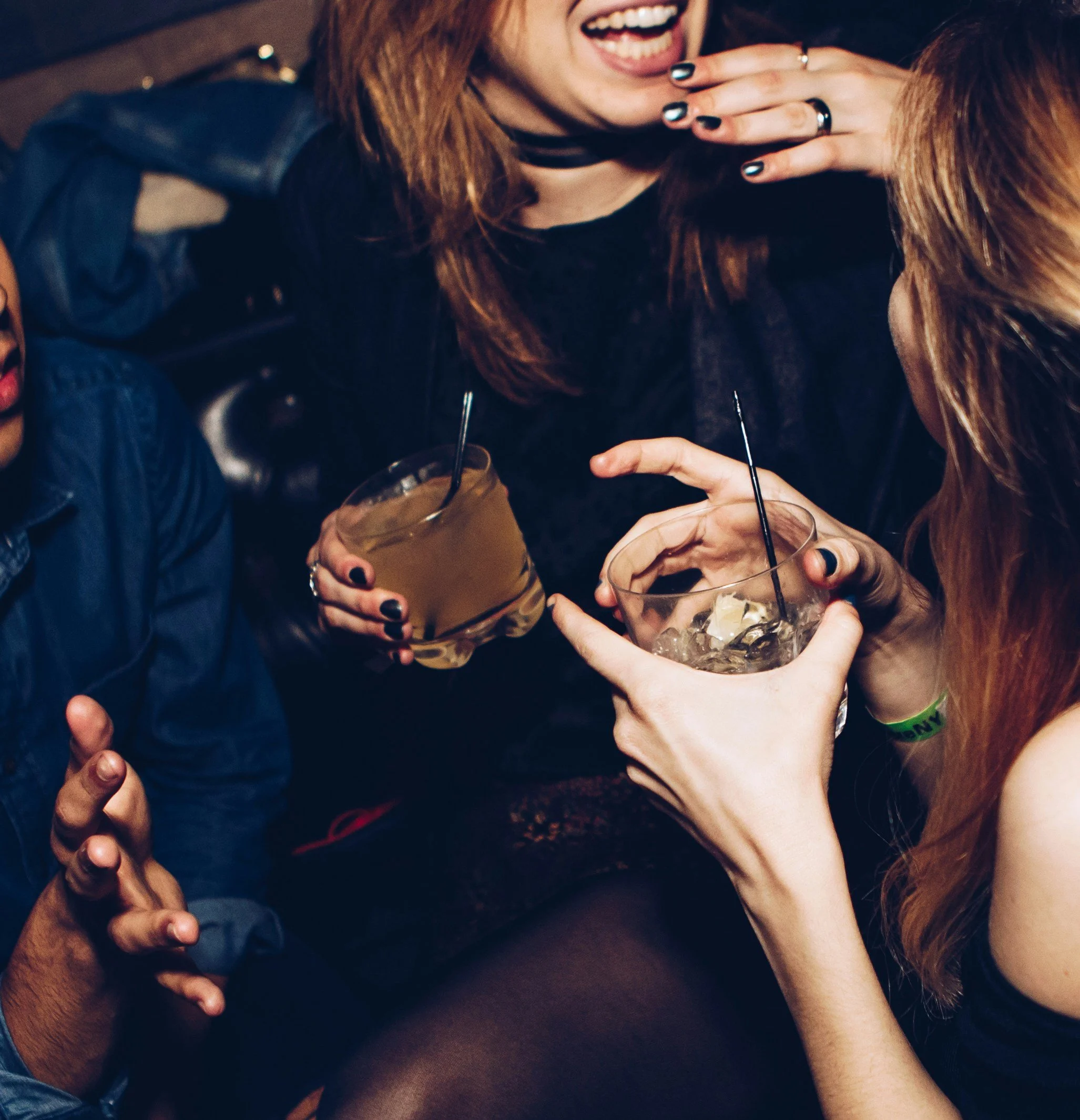
Additionally, when we struggle with social anxiety there are the features of worrying about saying the wrong thing, not being exciting enough in a conversation, fear of being judged by others, or general performance anxiety within social settings. It can truly feel daunting to struggle with social anxiety and then go out there sober. Alcohol helps quiet those thoughts while simultaneously making us feel more at ease.
Labeling the Problem
So with each of these issues isolated they can be addressed in different ways, but it feels more complicated once they become dependent on each other. It's because a neural pathway has been formed in the brain. This neural pathway is built due to repeated behaviors, most likely layered in with shame too.
Drinking with peers to cope with the anxiety of not fitting in, only to realize that was making you feel more isolated. Then you start needing a drink to pregame before even going to the social event. Them drinking in the social setting itself to keep that flow going. Only to crash out and feel more anxious the next day. It becomes a problem you see.
Breaking free requires real effort. You might choose to step away from alcohol completely and learn to face social anxiety head-on with healthy coping mechanisms. Or you might work through the root anxiety while trying to redefine your relationship with drinking. Either way, the truth remains: alcohol isn't saving you from your anxiety—it's holding you hostage.
Self-Compassion Helps Heal Both
I've talked about this in depth in both realms in previous blogs, so I encourage you to read more in depth with exercises in the following blogs (Self Compassion with Sobriety ; Self Compassion with Anxiety). Ultimately, no matter how many books we read or coping tools we master in therapy, the most critical step on any healing journey is learning to offer ourselves genuine self-compassion.
Viewing ourselves with genuine kindness frees us from carrying the heavy weight of other people’s opinions. This doesn't mean losing self-awareness—it means that when you stumble over a word in conversation, you can let it go instead of replaying it for days. You hold a space of compassion for yourself and accept that you are allowed to make mistakes.
You are human, and you are wonderfully flawed. You don't need external substances to manage your internal world. Rewiring this response feels uncomfortable in the beginning. We fight the process, desperately clinging to the belief that alcohol is the only thing that can soothe us. But with time, you learn how to generate that peace from within.
You learn to accept yourself as you are and choose environments that honor your growth—simply because you deserve it. I always tell my clients that healing is hard, humbling work. It’s a lifelong journey, but it is entirely worth it.
Reach out today if interested in breaking that connection between your alcohol use and social anxiety! Schedule your free consultation with me today for individual therapy, or ask about joining my Women’s Sobriety Skills Group!